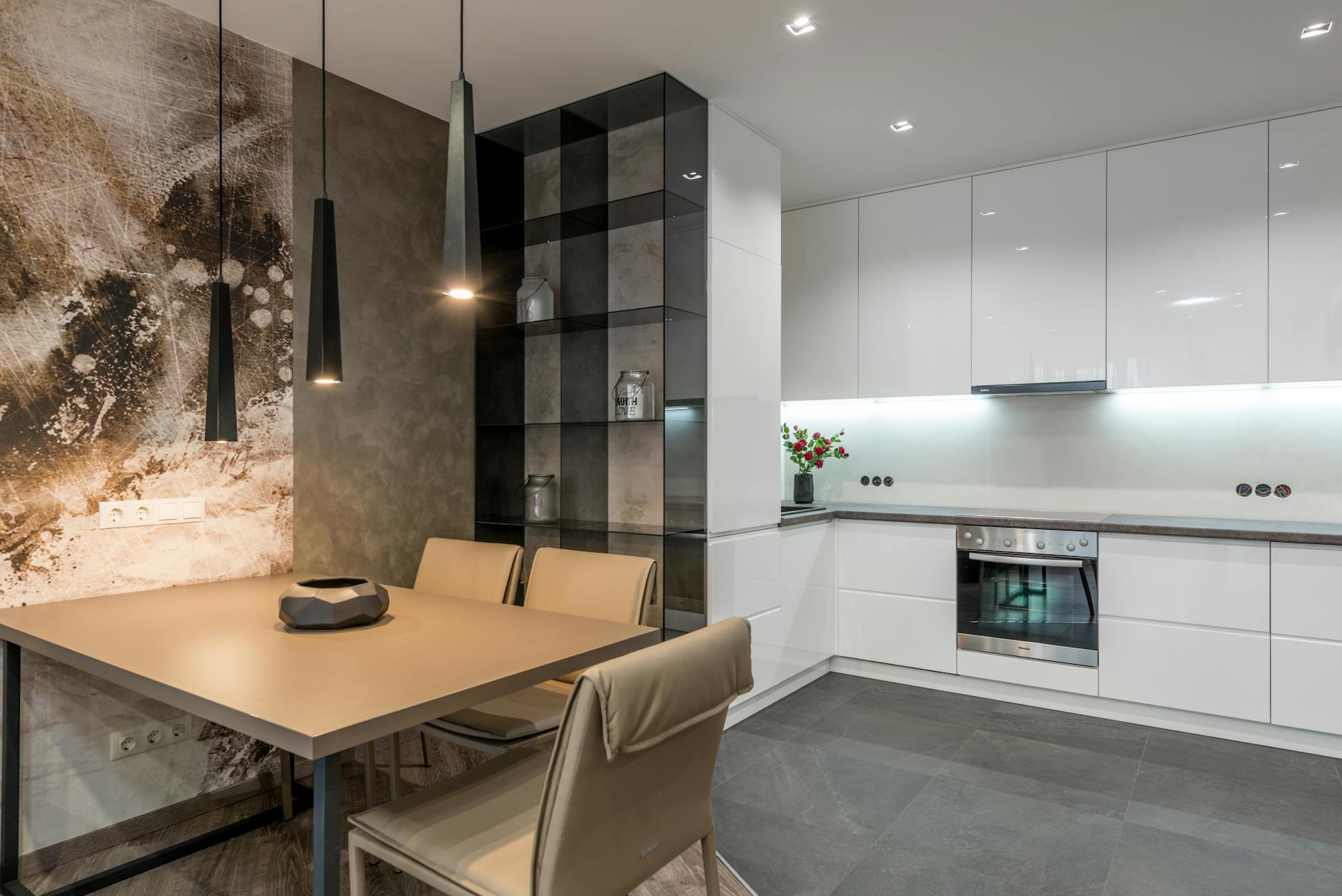


How to Upgrade Your Kitchen with Eco-Friendly Technology in Australia

Assess Your Current Setup
When looking to transform your kitchen into an eco-friendly space, the first step is to evaluate what you already have. A thorough energy audit can reveal how much power your appliances consume daily, helping pinpoint areas for improvement. You'll likely find that some appliances are more energy-hungry than others, and that's where you can make impactful changes. Assessing older models like dryers or microwaves can highlight inefficiencies that might surprise you.
Conduct a walk-through of your kitchen area, examining the age and condition of each appliance. With a focus on sustainability, it's beneficial to eye replacements that promise better energy efficiency. For instance, a Miele dishwasher is revered among those in Brisbane's innovation circles for its eco-friendly features, providing an efficient solution without compromising on functionality.
While you're at it, observe energy consumption during different times of the day. Are there peak usage times that might benefit from adjustment? A keen understanding of current consumption will guide your decisions toward more sustainable practices, bridging innovation from the Brisbane Technology Park or sustainability exhibitions at the Brisbane Convention & Exhibition Centre directly into your home.
Remember, upgrading isn't just about new appliances; it's about understanding your usage patterns and aligning them with your values of efficiency and minimal environmental impact. By pinpointing where changes are needed, your kitchen can become a hub of eco-friendly technology, reflecting the ethos of design events at the Queensland Museum & Sciencentre.
Eco-Friendly Appliance Options
Selecting eco-friendly appliances is a crucial step towards a sustainable kitchen. One valuable upgrade is water-saving dishwashers. These innovative machines not only minimise water usage but also reduce energy consumption, making them an excellent choice for anyone committed to sustainability. Newer models use advanced sensors to determine the precise amount of water needed for each load, significantly lowering your kitchen's overall water footprint.
Another crucial appliance to consider is an energy-efficient tv. While not directly linked to the kitchen, energy-consciousness should permeate your entire home. Opt for models that incorporate LED technology and automatically adjust brightness based on the surrounding environment to save power. These tvs offer impressive energy savings without compromising on picture quality.
When evaluating these options, pay a visit to the Brisbane Convention & Exhibition Centre, where sustainability exhibitions often showcase the latest eco-friendly technologies. This hands-on approach allows you to experience and assess these innovations before making a decision.
By integrating these eco-friendly appliances, you not only enhance your kitchen’s functionality but do so while aligning with sustainable practices. Choose wisely to enjoy a balance of performance and environmental responsibility in your home. Sustainability doesn't mean forsaking quality—it means choosing the right technologies that serve both your lifestyle and the environment.
Integrate Renewable Energy Solutions
Solar Power for Kitchens
Harnessing solar power for the kitchen is an outstanding way to align your personal space with the demand for sustainable and energy-efficient technologies. In a sun-soaked city like Brisbane, the potential for incorporating solar panels is considerable. This solution is not only a nod to innovation but a practical step towards reducing environmental impact. The innovation hub at Brisbane Technology Park frequently showcases cutting-edge solar technologies that appeal to sustainability-conscious professionals.
Battery Storage Systems
To ensure a constant energy supply, battery storage systems are becoming essential, allowing you to store excess solar energy for use when the sun isn’t shining. This means you can run devices like coffee machines on renewable energy at any hour. These systems are increasingly accessible and designed to integrate seamlessly with existing residential setups, ensuring minimal disruption to home life.
Optimizing Energy Management
Optimizing energy management in households often includes smart devices that track and control energy usage. By employing energy-monitoring technologies, you can precisely manage when your clothes dryer runs, leveraging non-peak-hour power for efficiency and cost-effectiveness. Events at the Brisbane Convention & Exhibition Centre often spotlight these advancements, reaffirming Brisbane's commitment to sustainable practices.
These insights empower you to make informed decisions, reducing your carbon footprint while maintaining performance standards. Embracing these solutions can lead to a significant shift toward a more sustainable lifestyle.
Sustainable Kitchen Practices
Creating a sustainable kitchen involves thoughtful choices and practices that significantly reduce environmental impact while maintaining functionality. Start with implementing smart lighting solutions, which minimise energy consumption. LED lighting systems are not only energy-efficient but can also be customised to adjust brightness and warmth, enhancing the kitchen ambience without wasting electricity.
Recycling and waste reduction are pivotal in sustainable kitchen practices. Composting organic waste and correctly sorting recyclables help mitigate landfill contributions. It's easy to set up separate bins for different types of waste, making it straightforward to sort materials like glass, aluminium, and plastics.
Adopting sustainable cooking methods is another impactful change. Utilising appliances like bar fridges for energy efficiency can dramatically reduce power usage. Additionally, cooking with a zip tap not only provides instant boiling water but also eliminates the need for traditional kettles, thus saving time and energy.
These practices align with environmental objectives, enabling a more eco-conscious lifestyle. By opting for energy-efficient technologies and adopting daily sustainable habits, you're contributing to environmental preservation while upgrading your kitchen’s functionality. It's a win-win for both the planet and your lifestyle.
Overcoming Eco Upgrade Challenges
Harmonising with Existing Setup
Navigating the challenge of aligning new eco-friendly kitchen upgrade options with existing setups often requires a dash of ingenuity. Brisbane's sustainability scene at the Queensland Museum & Sciencentre showcases how integrating modern technology with traditional designs can be both innovative and feasible. Swapping out old components with compatible, efficient alternatives ensures seamless integration. For instance, consider energy-efficient retrofits that align with the aesthetics and functional needs of your home. Look into adapters or transitional solutions that bridge the gap between old infrastructure and new, sustainable appliances.
Balancing Performance and Efficiency
Maintaining a perfect equilibrium between performance and efficiency is crucial in the world of sustainable design. The Brisbane Convention & Exhibition Centre frequently highlights innovations like AI-operated cooktops that cater to this balance by optimising energy use without sacrificing culinary precision. It's worth exploring options that are graded not only on low energy consumption but also on their ability to meet high performance standards. Check local appliance ratings to see which models excel in both areas. Also, keep an eye out for appliances with adjustable settings that allow you to tailor their energy consumption to your specific needs.
Ensuring Longevity and Feasibility
When investing in eco-friendly home upgrades, ensuring long-term feasibility is vital. Innovations discussed at the Brisbane Technology Park stress choosing materials and technologies that are durable and have minimal environmental impact. Opt for appliances that come with extended warranties, repair options, and are constructed with recyclable materials. Conduct thorough research on the lifecycle analysis of the products to assure minimal environmental footprint from manufacturing to disposal. By considering these factors, you're not only addressing immediate ecological concerns but also contributing to a sustainable future.